

BOARDING NEWSLife in the House: How Boarding Builds Community
Boarding houses come in many shapes and sizes, yet they tend to share one defining feature: they are shaped not by their facilities, rules or even their ethos, but by the boarders themselves. And that is exactly as it should be.
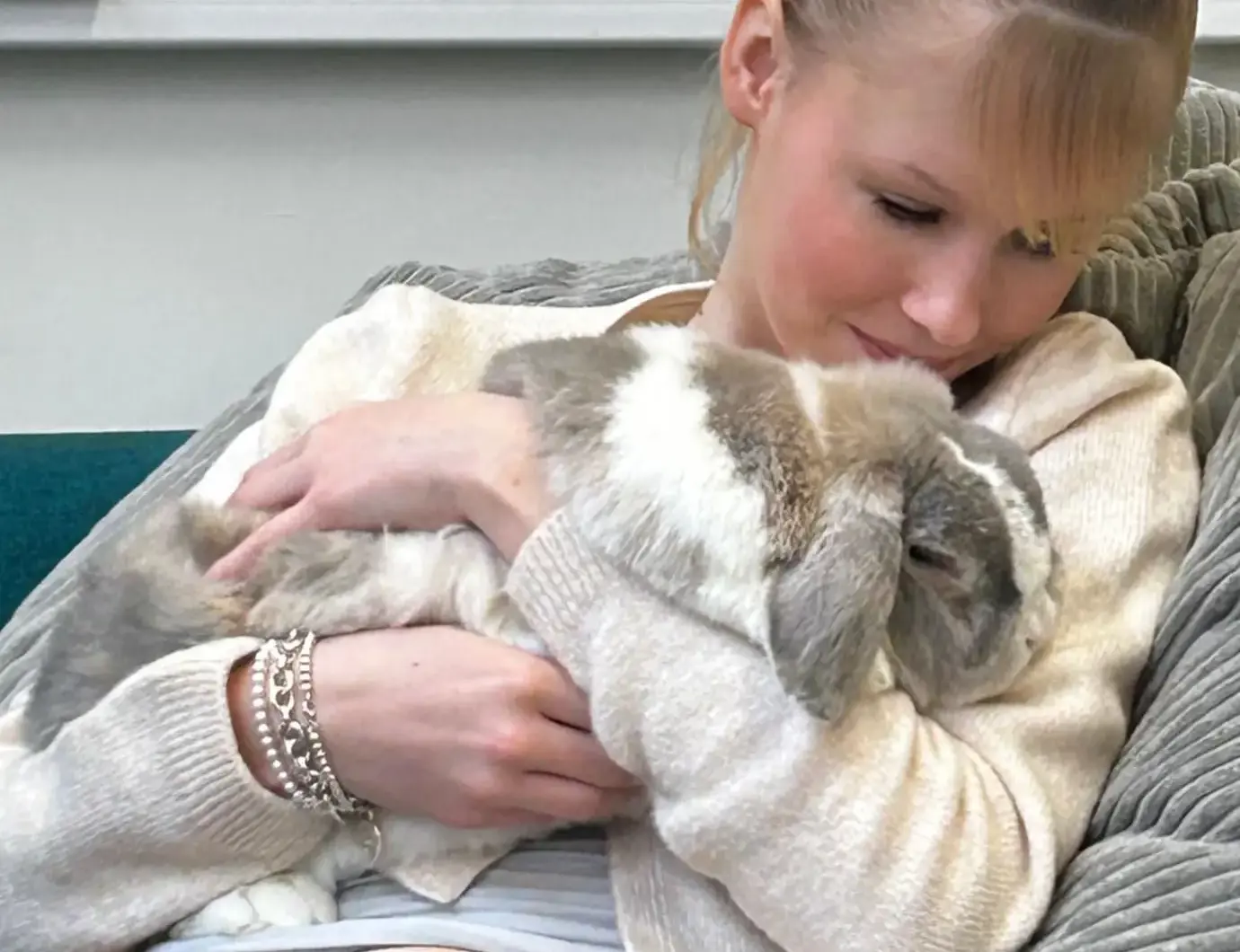
It is no exaggeration to say that boarding communities often feel like extended families, and that boarding houses become a home from home during term time. Being away from family, home, pets, familiar culture and favourite foods can be a significant challenge for any young person. A boarding house, therefore, provides both the structure and the support that help our boarders navigate not only homesickness, but also academic pressures, friendship dynamics and the many other challenges young people encounter during their school years.
Much of this support comes from the houseparents and the team of staff who work with the boarders during the evenings and at weekends. Working in loco parentis means that we act as a second set of parents while our boarders are in our care. We help them start the day, check they are ready for school, ask how their day has been, notice when they might need encouragement and celebrate their successes, whether in the classroom, on the sports field or on the stage. We genuinely care about our boarders, and each year it is a privilege to get to know them as individuals so that we can support them in thriving at school, feeling comfortable enough to be themselves at home, and growing into confident young people.

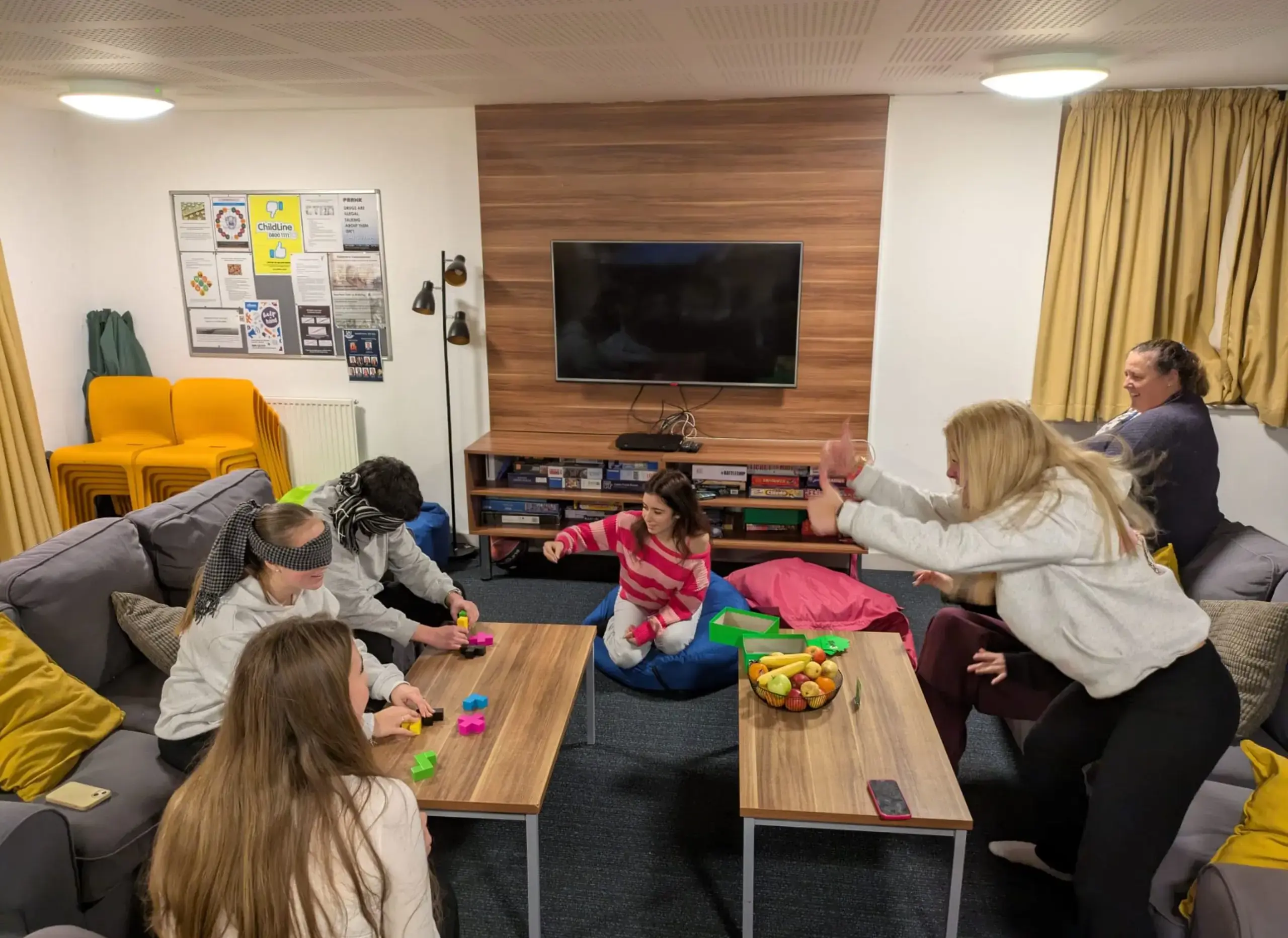
However, it is not only the boarding staff who create the nurturing environment that sits at the heart of boarding life. The sibling-like relationships that develop between boarders of different ages are truly special, and we are proud of the friendships that form across year groups. As boarders make up around 10% of the school community, it is natural that they form strong bonds within the house with students from other years. It is common to see them sharing meals, playing games together or chatting while waiting for a delicious toastie prepared by one of our house tutors. Younger boarders bring energy and fun to the house, often providing older students with the perfect excuse to take a break from studying for a game or a film. In turn, older boarders act as role models and offer a supportive, informal ear when younger students need advice. All bring their own perspectives, shaped by their cultural and personal experiences, helping our community to grow into curious, globally minded and respectful young people.
Indeed, being a boarder teaches our students an enormous amount and perhaps best reflects our school motto: to prepare for life. Living alongside their peers teaches boarders how to compromise and coexist, much as they will later do at university or as young professionals. In doing so, they develop a wide range of skills that serve them both personally and professionally. They learn essential interpersonal skills, such as recognising others’ emotions, knowing when to approach and when to give space, and communicating effectively with peers, students of different ages and staff. These experiences also encourage self-awareness as students learn to understand and manage their own moods, emotions and needs. They learn when to retreat for some quiet time, how to balance study with social life, and how to resolve disagreements constructively. As they grow and move through the house, we see students becoming increasingly self-aware, responsible and empathetic. For houseparents, it is especially rewarding when older boarders help younger students through challenges they themselves once faced.
On a practical level, boarders also develop valuable life skills. They learn to manage their time, personal space, and belongings. Tidying a room may seem mundane, but it builds habits that last a lifetime. They also learn that dishes do not put themselves in the dishwasher and clothes do not become clean without a visit to the washing machine. Through our chores rota, students develop respect for shared spaces and an understanding of how small daily tasks help keep a household running smoothly. These may seem like simple skills, but they are ones that most adults rely on every day, and practising them in the boarding house ensures that our students leave us well prepared for independent life.
Of course, these habits and skills flourish best within a clear and supportive framework. In boarding, we take our responsibility to prepare students for life seriously, and our routines and expectations are designed with this goal in mind. We strive to strike the right balance between structure and independence, accountability and freedom. Boarders follow consistent daily routines that include dedicated prep time after supper and time to relax, socialise and use their devices before bedtime. Curfews apply at weekends, though bedtimes are slightly later on Friday and Saturday nights. Younger boarders hand in their devices overnight to encourage healthy sleep habits and minimise the risks associated with social media, while older boarders are trusted to manage their own device use responsibly. All boarders are free to make their own weekend plans should they wish to meet friends, visit town or go out for dinner. In many ways, we aim to mirror a typical family environment, encouraging older students to develop independence by learning how to book taxis, use public transport and organise their own plans. They do so knowing that we are always there as a safety net, ready to guide or help when needed.
And no boarding house would be complete without plenty of fun. At Archers Lodge, we pride ourselves on creating a vibrant and enjoyable community. As Sherfield does not operate Saturday school or compulsory weekend sport, our boarders are effectively “home” from Friday evening through to Sunday night, making the quality of our weekend provision especially important. Our weekend activity programme blends on-site options such as gym sessions, informal sports, baking, house quizzes and film nights with off-site opportunities including cultural visits, concerts, shopping trips and local excursions. Boarders are actively involved in shaping this programme: they propose ideas during planning meetings and provide feedback after each weekend. Activities are not imposed; they are shared and owned by the community, allowing boarders to shape their weekends around study, relaxation and personal plans. Our aim is simple but ambitious: to create weekends that boarders genuinely look forward to while respecting their growing independence and need for balance.
A boarding house like ours, with both male and female students from Year 5 through to Year 13, is relatively rare. Yet we believe it is precisely this mix of ages, personalities and backgrounds that makes our house so special. We are immensely proud of our boarding community and, above all, of the boarders themselves who make it what it is.